Cameroon's Biggest Unveiling the Country's Biggest Fuel Plant
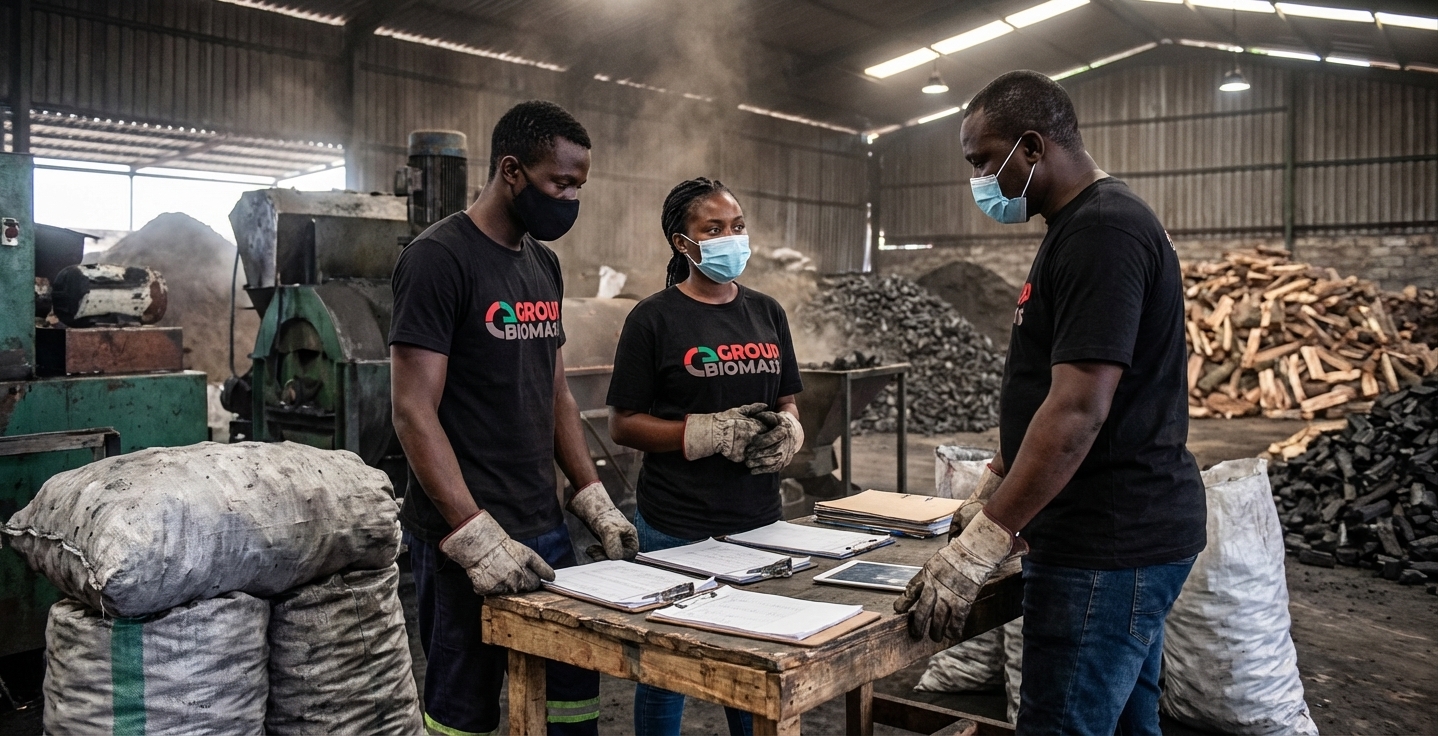
Deep within the nation , a significant facility stands as a representation to the increasing demand for charcoal . This commercial complex, reportedly the nation’s largest wood factory , is drawing attention for both its size and the potential environmental consequences . While providing employment for nearby communities, the factory's processes are sparking debate about sustainable forest practices and the overall preservation of Cameroon’s natural resources.
Natural Lump Carbon Export Boom: The Emerging Nation
Cameroon is experiencing a significant surge in dense lump charcoal sales, positioning itself as a important player in the global sector. Driven by growing demand from the United States and Pacific regions, the nation’s output of this renewable fuel is steadily increasing, offering promising prospects for regional populations and supporting the country's economy. The focus on responsibly harvested wood lump carbon is showing to be a major aspect in attracting global buyers.
Inside Cameroon’s Hardwood Lump Charcoal Factory: Production & Sustainability
Stepping into a average Cameroon hardwood lump carbon factory shows a rather straightforward system of production. Untreated wood, often sourced from managed here areas, are meticulously felled and transported to a oven. Inside, the timber is carefully cooked with minimal oxygen, a procedure that transforms it to lump charcoal. Despite the established methods employed can be labor-intensive, increasingly modern factories are incorporating refined systems and trying options to boost the output and nature responsibility. This includes dedicating in green resources and applying rigorous waste control plans.
The Lump Charcoal Trade : A Major Contributor in International Sales
Despite mounting environmental worries , Cameroon’s lump charcoal industry remains a surprising but vital player in the global shipment market . The production of charcoal from wood is a essential source of income for thousands of local communities, particularly in remote areas . This activity generates a substantial quantity of lump charcoal heading for international destinations , often supporting energy needs in other regions, though this dependence creates difficulties relating to woodland depletion and responsible tree protection.
Le Face à Charbon de Bois Lump de Bois et Les Briquettes Une Regard Camerounaise
Dans Cameroun, , le sélection entre le combustible de bois lump et les combustibles pose une interrogation . Classiquement, , le charbon de bois a toujours été privilégié pour ses arôme authentique et son capacité de créer une température intense , appropriée pour la rôtisseries locales . Toutefois, les combustibles, plus faciles à trouver et moins abordables, gagnent en attention, particulièrement chez les régions citadines .
Green Charcoal Making : The Outlook of Cameroon’s Hardwood Industry
The traditional method of charcoal creation in Cameroon presents a major problem to its valuable hardwood woodlands . However, innovative sustainable techniques offer a promising path forward. These feature technologies like biomass waste processing and kiln-less earth kilns , which lessen deforestation, lower emissions, and create financial opportunities for local populations . Embracing these eco-friendly methods is crucial to safeguarding Cameroon's biological heritage and guaranteeing the long-term future of its hardwood business while addressing climate change .